
Indian benchmark equity indices, Sensex and Nifty, extended their rally for a fifth consecutive session, driven by optimism surrounding a potential US-Iran peace deal and a significant drop in crude oil prices. Despite hawkish remarks from the US Fed, investors remain hopeful that easing energy prices could temper inflationary pressures.

Indian benchmark indices Sensex and Nifty surged significantly in early trade, mirroring a global rally and a sharp decline in crude oil prices following the finalisation of a peace deal between the US and Iran to end their 107-day conflict and reopen the Strait of Hormuz.

US President Donald Trump and Israeli Prime Minister Benjamin Netanyahu had a tense phone call over the future course of the war on Iran, with Washington favouring a deal instead of resuming strikes, according to US media reports.

The American military's air-defence missile inventories, including Patriot and THAAD interceptors, are significantly depleted due to the ongoing five-month confrontation with Iran. A CSIS assessment reveals a steep drop in reserve stocks, raising concerns about the US's capacity to maintain Middle East operations and address other global security challenges. This depletion could force the US and its allies to take higher operational risks.

US President Donald Trump has declared the ceasefire agreement with Iran effectively concluded, stating he no longer wishes to engage in diplomatic dealings with Tehran and labelling Iranians as 'liars, cheats and sick people' following recent military actions.

Indian benchmark indices, Sensex and Nifty, extended their winning streak for a fourth consecutive session, driven by a significant drop in crude oil prices following a peace deal between the US and Iran. This development has fuelled investor confidence and buying activity across the market.

A potential agreement between the United States and Iran, including a comprehensive ceasefire and gradual lifting of US sanctions, may be announced soon, according to reports. The agreement aims to de-escalate tensions and establish a framework for resolving disputes.

US President Donald Trump indicated that a peace deal with Iran is possible, but stressed that military action remains an option if talks fail. He emphasised the need for guarantees against nuclear weapons in any agreement.

As Qatari negotiators travel to Iran in an effort to ease tensions and create conditions for the resumption of US-Iran talks following the recent military escalation between them, US President Donald Trump on Friday said that Washington has agreed to continue talks with the Islamic Republic following Tehran's request but reiterated that the US still considers the ceasefire between the two sides to be "over".

The US military carried out 'self-defence strikes' targeting Iranian missile launch sites and boats near the Strait of Hormuz, even as President Trump announced progress in ceasefire negotiations, stating Iran's enriched uranium will be 'turned over' or destroyed.

Pakistan Prime Minister Shehbaz Sharif clarified that the recent Memorandum of Understanding (MoU) signed between the US and Iran does not include provisions regarding Tehran's ballistic missile programme. This statement followed talks with Iranian President Masoud Pezeshkian, with Sharif emphasising Iran's right to its defence capabilities and Pakistan's role as a mediator in the US-Iran peace process.

US President Donald Trump has abruptly withdrawn from a peace deal with Iran, citing fresh intelligence of Iranian assaults on commercial vessels in the Strait of Hormuz. The decision, made just a fortnight after celebrating the deal, has led to a significant military escalation in the region, with the US launching extensive counter-operations against Iranian military infrastructure.

Trump's comment marks a shift in his repeated statements that Iran hand over its enriched uranium to the US as a sticking point of any potential deal.

A recently finalised peace deal between the US and Iran, set to be signed on June 19, is expected to significantly benefit India's economy by boosting exports to West Asia, stabilising the rupee, and easing inflationary pressures, according to exporters and experts.
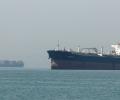
As tensions in the Middle East approach a critical juncture, reports have surfaced regarding a draft memorandum of understanding between the United States and Iran aimed at de-escalating the ongoing conflict, Iranian state media reported on Wednesday.

Donald Trump has issued a severe warning to Iran, threatening 'decimation' with '1,000 missiles' if the nation pursues alleged assassination plots against him, while Iranian officials accuse the US of violating a MoU amidst ongoing diplomatic talks.

Hours after US President Donald Trump on Wednesday said that the ceasefire deal with Iran was "over", the US President indicated that Washington could launch another round of strikes against the Islamic Republic, following strikes on Tuesday, saying it had already hit Tehran "very hard" and warning of further attacks.

Donald Trump announced he is replacing the 20% reimbursement fee for securing the Strait of Hormuz with massive trade and investment deals from Gulf States into the United States, while maintaining a full blockade on Iranian ship traffic.
In a significant diplomatic development, US and Iranian negotiators have reportedly reached a tentative 60-day memorandum of understanding (MoU) aimed at extending a fragile ceasefire and paving the way for formal talks regarding Iran's nuclear programme.
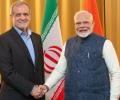
Prime Minister Narendra Modi held a telephonic conversation with Iranian President Masoud Pezeshkian, discussing recent developments in West Asia and reiterating India's emphasis on the importance of freedom of navigation in the Strait of Hormuz. Modi welcomed the recent peace understanding between the US and Iran, stressing dialogue and diplomacy for regional stability. India will also send representatives to the burial ceremonies of Iran's late Supreme Leader.

US President Donald Trump on Friday (local time) said that he has "left instructions" to launch a massive military action against Iran, if Tehran succeeds in the plan of assassinating him, while stressing that the country would be bombed "at levels they have never seen before", New York Post reported.

US President Donald Trump has claimed that Iran has accepted "just about everything" the United States has demanded in ongoing indirect nuclear negotiations, particularly regarding denuclearisation. He also asserted that American forces repeatedly carried out military strikes that crippled Tehran's military infrastructure, including radar installations, and escorted commercial oil tankers through the Strait of Hormuz. Trump dismissed reports of Iran's strength, stating its military and economy were severely weakened.
A high-stakes memorandum for a 60-day ceasefire between the United States and Iran is in its final stages, with negotiators working to close remaining gaps and avert further escalation in the region, including reopening of the Strait of Hormuz and the resumption of Iranian oil sales, according to an Axios report citing US officials.

US President Donald Trump announced that a peace deal with Iran, which includes a commitment from Iran to abandon nuclear weapons, is nearly complete and expected to be signed in Europe this weekend. This development follows Trump's decision to call off military strikes against Iran hours after threatening to take control of its oil industry.
Top leaders from the US, Iran, and Pakistan, along with other nations, have gathered in Switzerland for high-level talks aimed at restoring peace in West Asia. These negotiations follow a recently signed Memorandum of Understanding between the US and Iran, initiating a 60-day window for a deal. Discussions focus on Iran's nuclear programme and the fragile interim peace deal, amidst renewed tensions and the fluctuating status of the Strait of Hormuz.

United States President Donald Trump has threatened to resume 'very hard' attacks on Iran, expressing frustration over Tehran's delays in signing a negotiated deal and citing the downing of a US Apache helicopter as grounds for renewed military action. Russia has called for restraint and a return to diplomacy amidst escalating tensions.

Israel's Defence Minister Israel Katz declared that the Israeli military will not withdraw from its security zones in Lebanon, Syria, and Gaza, directly opposing the newly announced American-led diplomatic framework with Tehran. National Security Minister Itamar Ben-Gvir further asserted Israel's sovereignty, stating, "Trump's agreement does not bind us. Israel is not subject to the United States, and we are an independent and sovereign nation!"

A peace deal between the US and Iran, set to be signed in Geneva, faces significant hurdles over the release of Iran's USD 12 billion in frozen assets, with conflicting reports from both sides on the conditions for their release.

It is an unusual choice to depute a retired general for the funeral of a revered religious figure but a thoughtful one in an attempt to inject verve into the bilateral relationship and restore the equilibrium in India's West Asian policies, notes Ambassador M K Bhadrakumar.

Indian equity benchmark indices Sensex and Nifty plummeted over 2 per cent following US President Donald Trump's declaration that the interim agreement with Iran is 'over', which led to a sharp rally in crude oil prices and heightened geopolitical tensions.

Iran's Deputy Foreign Minister Kazem Gharibabadi confirmed a peace deal with the United States, stating that Tehran will enter a 60-day negotiation period only after verifying Washington's commitments to ending hostilities, lifting the blockade, and releasing Iranian assets.

Following the death of Ayatollah Ali Khamenei, his son and successor, Mojtaba Khamenei, issued a "revenge list" featuring 13 world leaders, including Donald Trump and Benjamin Netanyahu, with a graphic depicting them as targets, amidst escalating regional hostilities and US reports of an Iranian assassination plot against Trump.

Despite disagreements over nuclear ambitions, recent US-Iran peace talks led by Vice President JD Vance have fostered crucial goodwill and a deeper understanding between the two nations, potentially paving the way for future negotiations.
Prime Minister Narendra Modi has welcomed the understanding between the United States and Iran to end the conflict in West Asia, expressing hope that the pact will restore peace, stability, and ensure freedom of navigation in the region. The deal, aimed at ending a 107-day war that caused a global energy crisis, is set for signing on June 19.

Trump has said he would be present at the signing ceremony in Islamabad. Don't be surprised if the Pakistani hosts make it a grand event in the geopolitics of the region. Trump would love that, notes Ambassador M K Bhadrakumar.

Despite heightened tensions and Iran's rejection of a US-backed ceasefire, President Trump claims Iran is now 'begging' for a deal.

Sagiv Steinberg, CEO of the Jerusalem Center for Security and Foreign Affairs (JCFA), described the recent US-Iran peace agreement as a temporary 60-day ceasefire, not a genuine peace deal, suggesting it's timed for the upcoming US midterm elections.

Pakistan Prime Minister Shehbaz Sharif announced that Pakistan would host the signing ceremony of a peace agreement between the US and Iran in Switzerland on June 19, calling it a "historic milestone" that ends a 107-day conflict and promises global economic stability.

Trump further alleged that Iran was behind the attacks on three vessels carrying Indian seafarers near the Hormuz Strait, which resulted in the deaths of three, despite the US Central Command having confirmed that the strikes were carried out by American naval forces, calling the incident "totally unacceptable."

President Trump has been briefed on potential military actions against Iran, including strikes on infrastructure and control of the Strait of Hormuz, even as negotiations continue. He maintains economic pressure is the primary strategy, while legal questions arise over war powers.
